
Nestled in the northeastern reaches of Utah and spilling slightly into southern Wyoming, the Uinta Mountains stand apart from the rest of the Rocky Mountains—both literally and figuratively. Their east-west orientation, unique geology, and remote wilderness make them one of the last great places for true adventure in the American West. While the southern faces often see the most visitors, it is the North Slope that calls to those in search of wild solitude, crystalline waters, and a landscape largely unaltered by the hands of time. Black’s Fork River Lodge provides amazing lodging for groups wanting to explore the beautiful Uinta Mountains. Here are some ideas and our favorite recreation in the Uinta Mountains.
The North Slope of the Uinta Mountains stretches from the Utah-Wyoming border and runs westward, parallel to the Wyoming state line. Unlike the more developed southern side, the North Slope remains a rugged expanse of dense forests, open meadows, and silent alpine lakes. The landscape is crisscrossed by an intricate network of creeks and rivers, feeding into the Green River Basin.
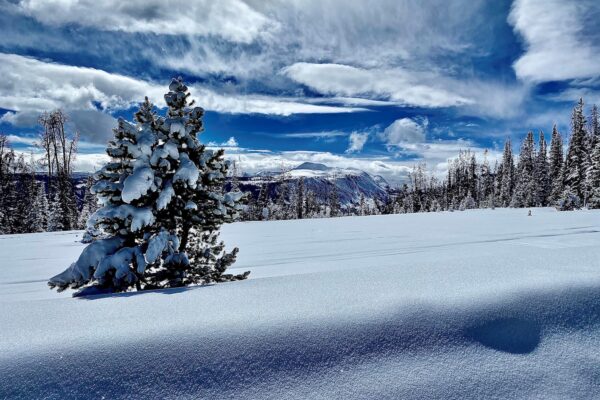
Access to the North Slope is primarily via a series of gravel roads branching off Highway 150, the Mirror Lake Scenic Byway. The two main portals, North Slope Road and the West Fork Black’s Fork Road, are typically passable from late June through September, depending on snowmelt. Once the snow closes these roads in autumn, the area is left to the silence of winter and the occasional snowmobiler or hardy backcountry skier.
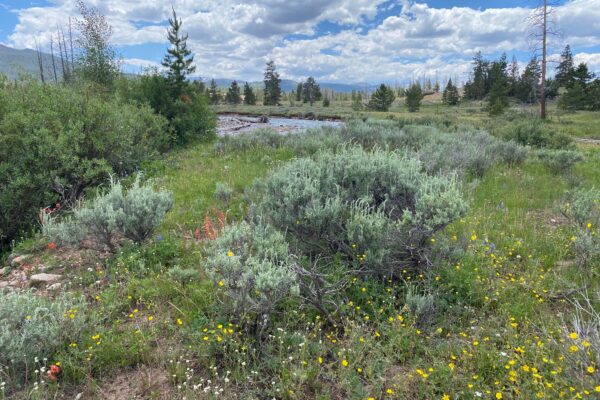
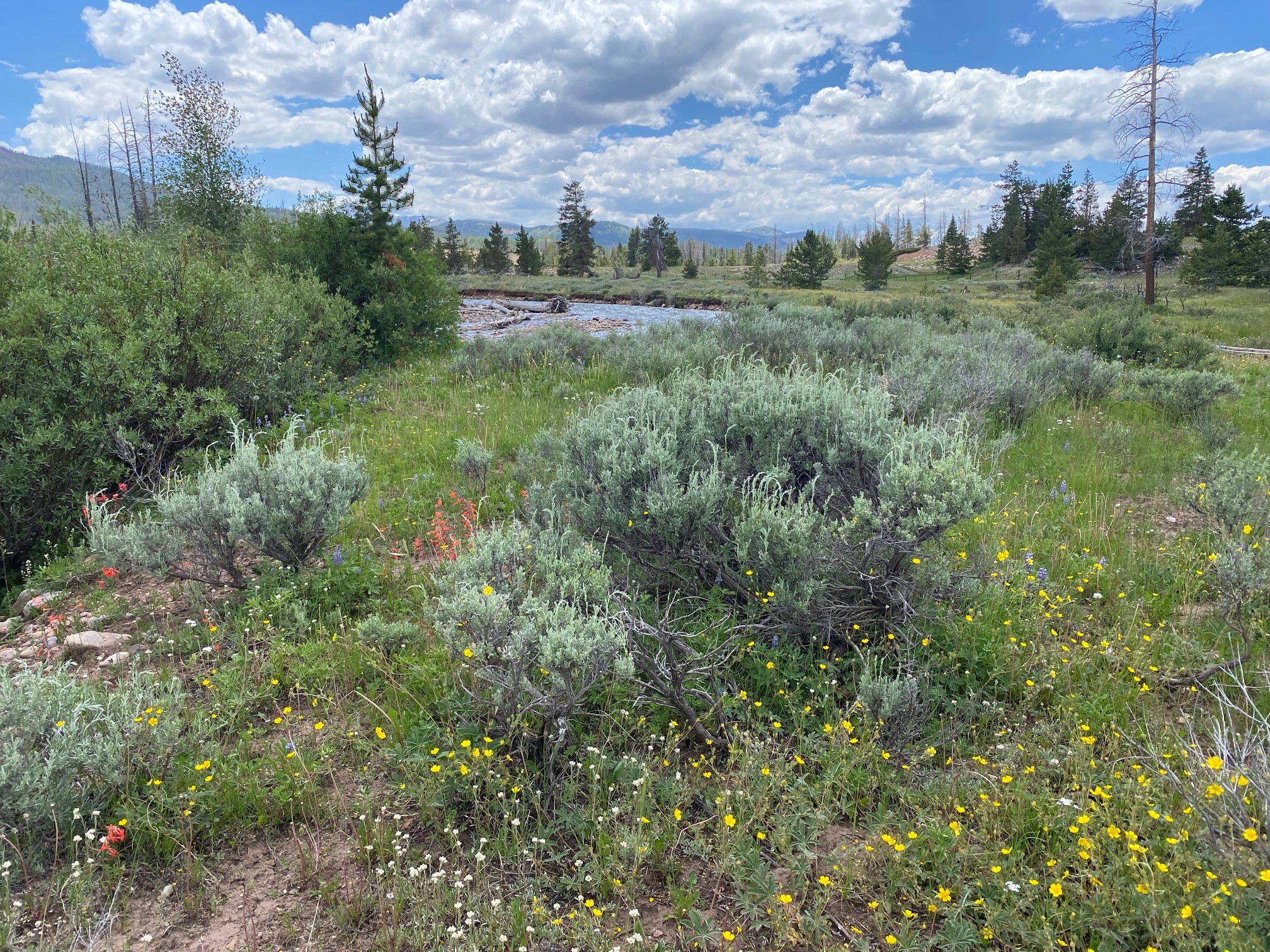
The North Slope’s terrain is a symphony of contrasts. Dark, coniferous forests of Engelmann spruce and lodgepole pine give way to upland meadows, their grasses dancing in the wind and dotted with wildflowers. Glacier-carved valleys cradle hundreds of lakes—each a mirror for the ever-shifting skies.
The North Slope is also home to some of the range’s most prominent peaks. Mount Lovenia, Kings Peak (the highest point in Utah at 13,528 feet, though technically south of the ridge), and Tokewanna Peak are all visible from various vantage points, their summits often wreathed in clouds or lit by the golden light of evening.
Perhaps the most alluring feature of the North Slope is its abundance of pristine water. The West Fork and East Fork of the Smiths Fork, the Black’s Fork, and other tributaries tumble down from the heights, their icy waters nourishing a complex web of life. Anglers are drawn here for the promise of wild brook trout and the challenge of native cutthroat.
Scattered across the highlands are more than a hundred named lakes, among them Red Castle Lake, Dead Horse Lake, and Lambert Lake. The jewel-toned waters shimmer beneath ragged cliffs, inviting a cold but exhilarating swim or, more often, a moment of quiet reflection. Many of these lakes are only accessible by foot or on horseback, preserving their solitude.
The North Slope’s isolation has fostered a thriving ecosystem. Moose graze in willow thickets along the streams, while elk and mule deer roam the open parks. Black bears and mountain lions pass silently through the shadows, seldom seen but always present. Birds abound—from the shrill calls of Clark’s nutcrackers to the haunting flute of the hermit thrush at dusk.
The wildflowers of the North Slope are legendary. In late July, the meadows explode in color: blue columbine, Indian paintbrush, marsh marigold, and more create vibrant mosaics beneath the towering peaks. Mushrooms, too, spring up after summer rains, their shapes and colors hinting at the mysterious workings of the forest.
- Fishing: The region’s lakes and rivers are a paradise for anglers. Most are home to wild trout populations, and the solitude enhances the experience of casting a line at dawn as mist rises from the water.
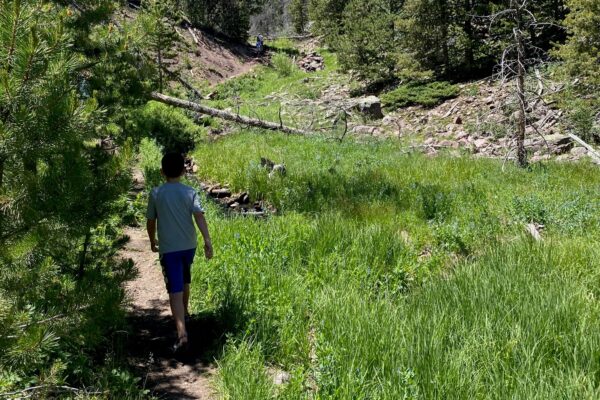
- Horseback Riding: The tradition of horseback travel persists, with outfitters offering guided trips into the backcountry. Many old sheep and cattle trails are now scenic equestrian routes, winding through meadows and up to alpine lakes.
- Wildlife Watching & Photography: Bring binoculars and a camera; the North Slope’s remoteness increases your chances of seeing shy creatures and capturing the landscape’s raw beauty.
- Winter Sports: Once the snow falls, the North Slope becomes the domain of snowmobilers and backcountry skiers, though access is limited and conditions can be extreme.
What sets the North Slope apart is not just its wildness, but also its sense of mystery and discovery. Unlike the carefully managed parks and manicured campsites elsewhere, here you step into a world where nature reigns, and adventure is earned, not given. Each journey is shaped by the weather, the terrain, and your own resourcefulness.
In the quiet of a star-strewn night, with only the wind in the pines for company, the North Slope offers a rare glimpse of the West as it once was—and, if we are wise stewards, as it might always be.
Whether you come for the thrill of summiting a little-known peak, the peace of a lakeside camp, or simply to lose yourself in a living wilderness, the North Slope of the Uinta Mountains waits, untamed and unforgettable.